
Restaurant Packaging: Should You Buy Direct From the Manufacturer or Through a Distributor?


For multi-location restaurant groups in Miami-Dade and Broward, the right sourcing model depends on volume, specifications, branding requirements, and how much control you need over your packaging program.
Most restaurant groups don’t deliberately design their packaging supply chain. It develops over time.
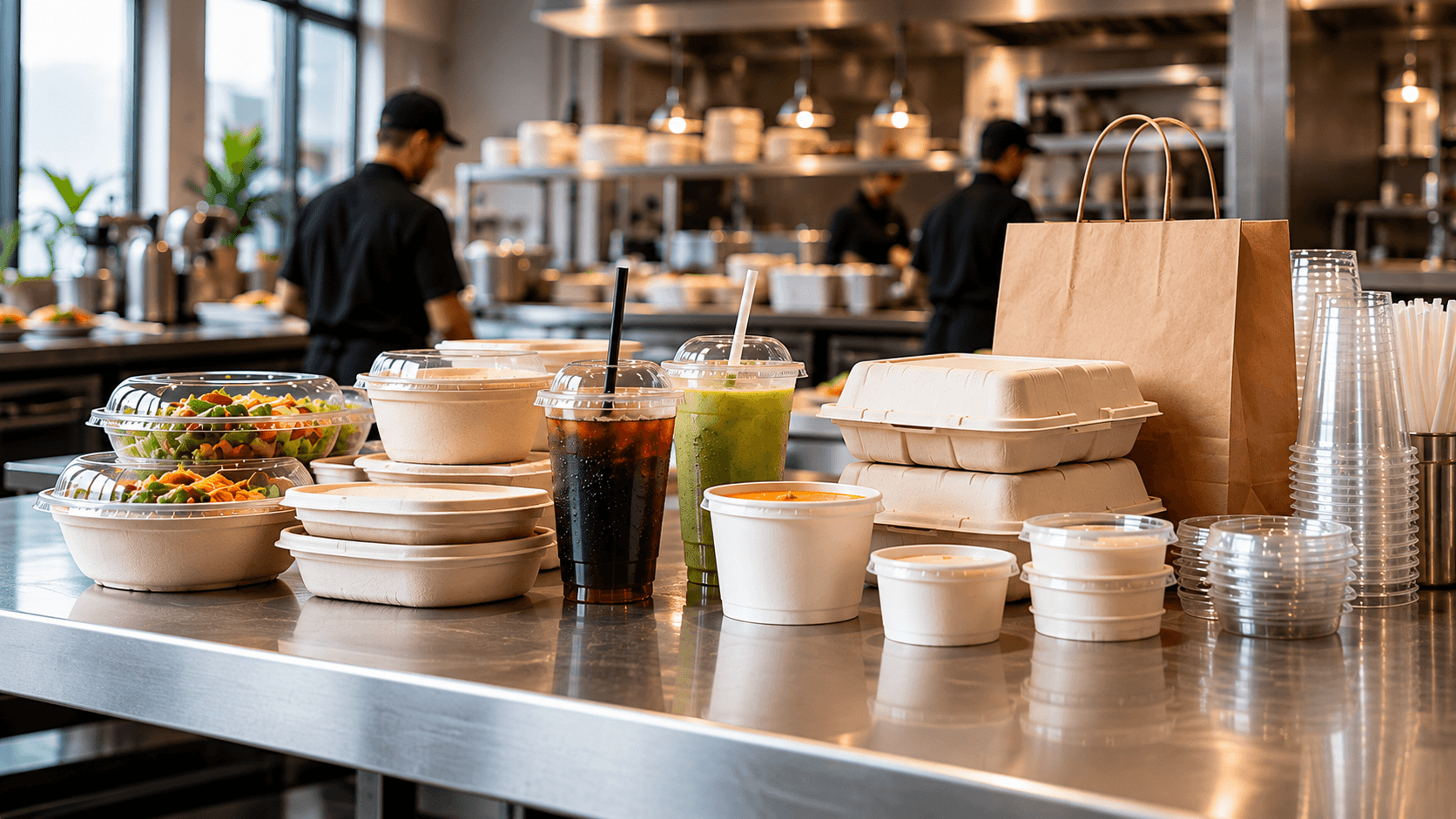
Containers may come through a broadline distributor. Cups from another supplier. Takeout boxes from whoever was available when a new location opened. Custom-printed items may follow an entirely different purchasing path.
That can work.
But once a restaurant group operates 15, 20, or more locations, there’s a different question worth asking:
Should packaging continue to be purchased as individual products—or managed as a coordinated packaging program?
That’s where the difference between buying through a distributor and working closer to the manufacturer becomes important.
Distributor or manufacturer? Start with how you buy.
Distributors provide an important advantage: breadth. They can combine many unrelated product categories into an established purchasing and delivery relationship.
For many restaurant operations, that makes sense.
Working directly with a manufacturer serves a different purpose. It can bring the buyer closer to production, specifications, commercial-volume requirements, custom capabilities, and decisions about how packaging is standardized across locations.
Neither model is automatically right for every purchase.
The opportunity is understanding where each model fits your operation.
At 15+ locations, small packaging decisions multiply.
A packaging decision that seems insignificant at one restaurant can become much more important across an entire group.
Consider:
- How many bowls, containers, cups, lids, straws and takeout boxes are being purchased?
- Are locations using the same specifications?
- How many suppliers are involved?
- Which SKUs could potentially be standardized?
- Which high-volume items could carry the restaurant’s brand?
- Are conventional and compostable materials being selected intentionally for different applications?
These are not simply product questions.
They are packaging program questions.
And as the number of locations increases, having clear specifications and purchasing rules becomes increasingly valuable.
What changes when you work closer to the manufacturer?
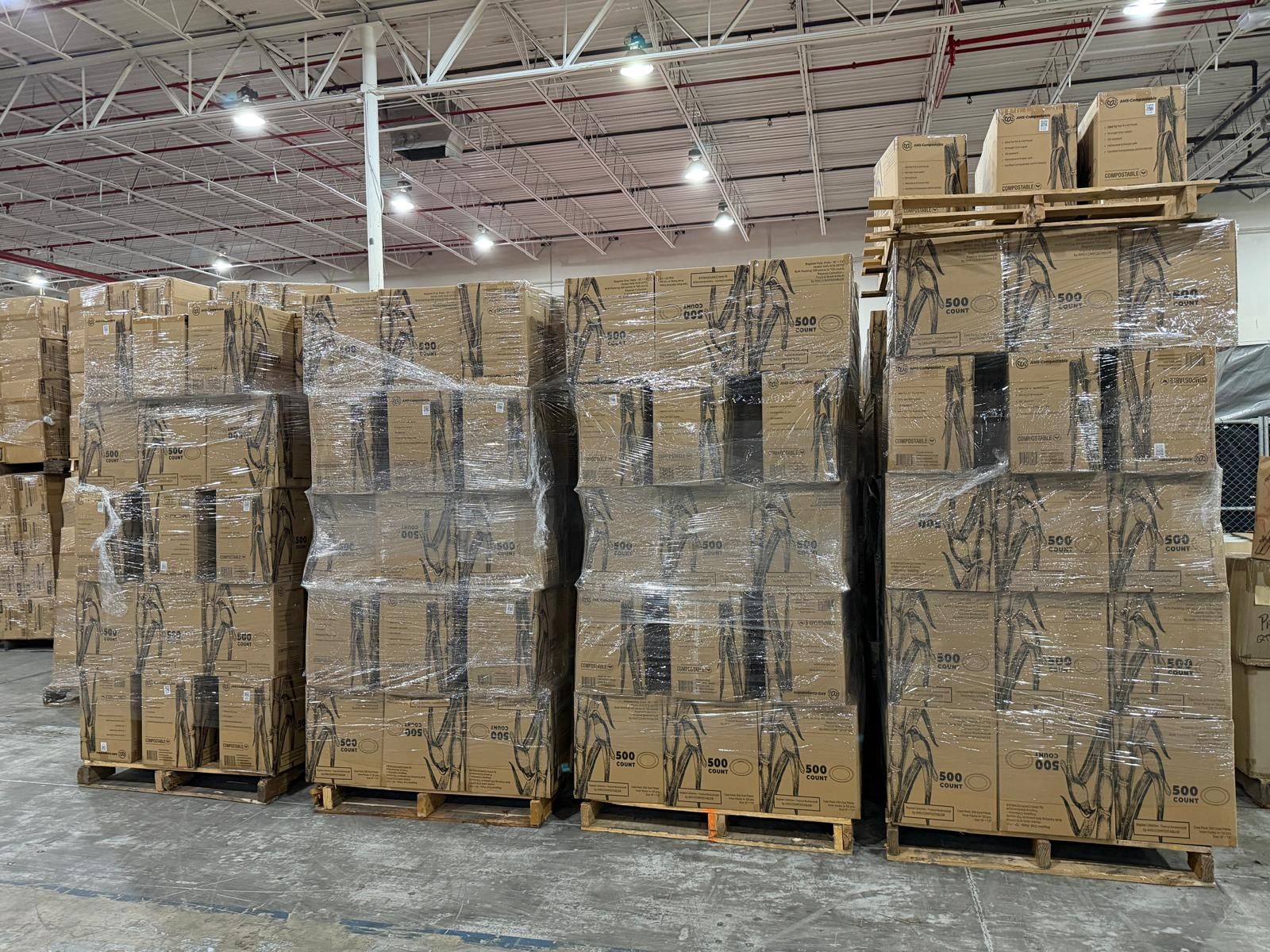
The biggest difference is not a particular container or cup.
It’s the structure of the relationship.
Closer access to production and specifications.
Instead of product requirements passing through additional layers, the conversation moves closer to the organization responsible for manufacturing the packaging.
Commercial-volume planning.
The combined requirements of multiple locations can be evaluated as a larger program rather than a collection of unrelated purchases.
Standardized specifications.
Containers, lids, bowls, cups and other high-volume formats can be evaluated across the group, helping procurement and operations determine where common specifications make sense.
Custom printing and private label.
For qualifying programs, high-volume packaging can become part of the restaurant’s brand rather than simply another disposable item.
That doesn’t mean every SKU should be purchased directly from a manufacturer.
It means restaurant groups should know which ones are worth evaluating.